“And you shall observe the feast of unleavened bread, for on this very day I brought your hosts out of the land of Egypt: therefore you shall observe this day, throughout your generations, as an ordinance for ever.”
Exodus 12:17 (RSV)
I thoroughly depend on the ‘Notes’ section of my phone, to write down what I need to do each day. It’s not only the place of my to-do list, but where I write my meditations each morning. In my phone, the ‘Notes’ section is like an extra memory section of my brain where I store ideas and information.
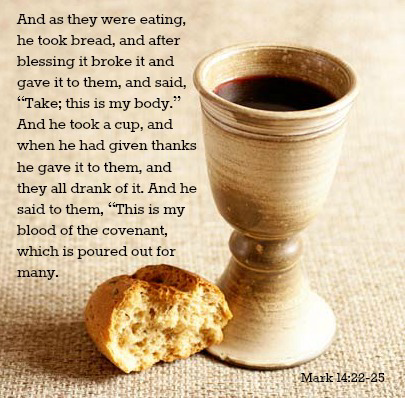
When Jesus said, “Do this in memory of Me” He didn’t mean “Hey, don’t forget Me”, as we might forget where we laid our keys or an appointment with someone. Jesus meant it as an ordinance like the Passover, to do in memory of the New Covenant in His blood. We can better appreciate His words by understanding what a 1st century Jewish rabbi means by ‘memory.’
The Hebrew word for memory, ‘Zikaron’, has a more multifaceted meaning than it has in English. We use our memory when shopping for certain groceries, clothes or making note of an upcoming appointment, but Zikaron memories are related to a major event, that is celebrated with an entire community, like a birthday, anniversary or a landmark event for a nation.
When Jesus offered His body and blood as bread and wine, He said, “Do this in memory of Me,” implying that it was something to be celebrated with a group, for all generations to come. Like the Passover feast in the Old Testament, Communion is also meant to be shared in a community, until the day we celebrate the future wedding banquet of the Lamb, in Heaven.
The ordinance of Passover required the unblemished lamb’s blood to be applied on the doorposts of every home, and it saved all the people who remained inside that home. God told them to celebrate the Passover every year, to re-live and remember it. We are doing the same thing in Communion, the ordinance that Jesus gave us to do in (Zikaron) memory of Him. With the community of believers, we celebrate the Lamb of God by applying the sacrifice of His blood to our lives, to be saved.
Jesus had an ‘earnest desire’ to celebrate the Passover with His disciples. At that last Passover evening, He initiated communion, as He broke the bread and shared the wine with His disciples, who were His community. It was one of the last things Jesus did before going to the cross, and concluded it by saying, “Do this in memory of Me.”
It was also one of the first things He did after His resurrection, when He walked with the disciples on the road to Emmaus. He broke the bread with them again and spoke the same words as He did at the last supper, and scripture tells us that, in the breaking of the bread, their eyes were opened to recognize Him.
If it meant so much to Jesus, to break bread with His community of believers, then it should mean as much to us, every time we partake of communion. We hear the same words that Jesus spoke at the last supper and after His resurrection, as we partake in memory (Zikaron) of Him. In the breaking of bread at communion, He opens our hearts to know Him in a deeper way each time.
Lord, thank you for establishing the ordinance of holy communion, the final Passover feast and the new covenant in your blood, that we celebrate in memory of you. Amen