
“My spirit remains in your midst;
do not fear!
For thus says the Lord of hosts:*
In just a little while,
I will shake the heavens and the earth, the sea and the dry land.”
Haggai 2:5-6 (NAB)
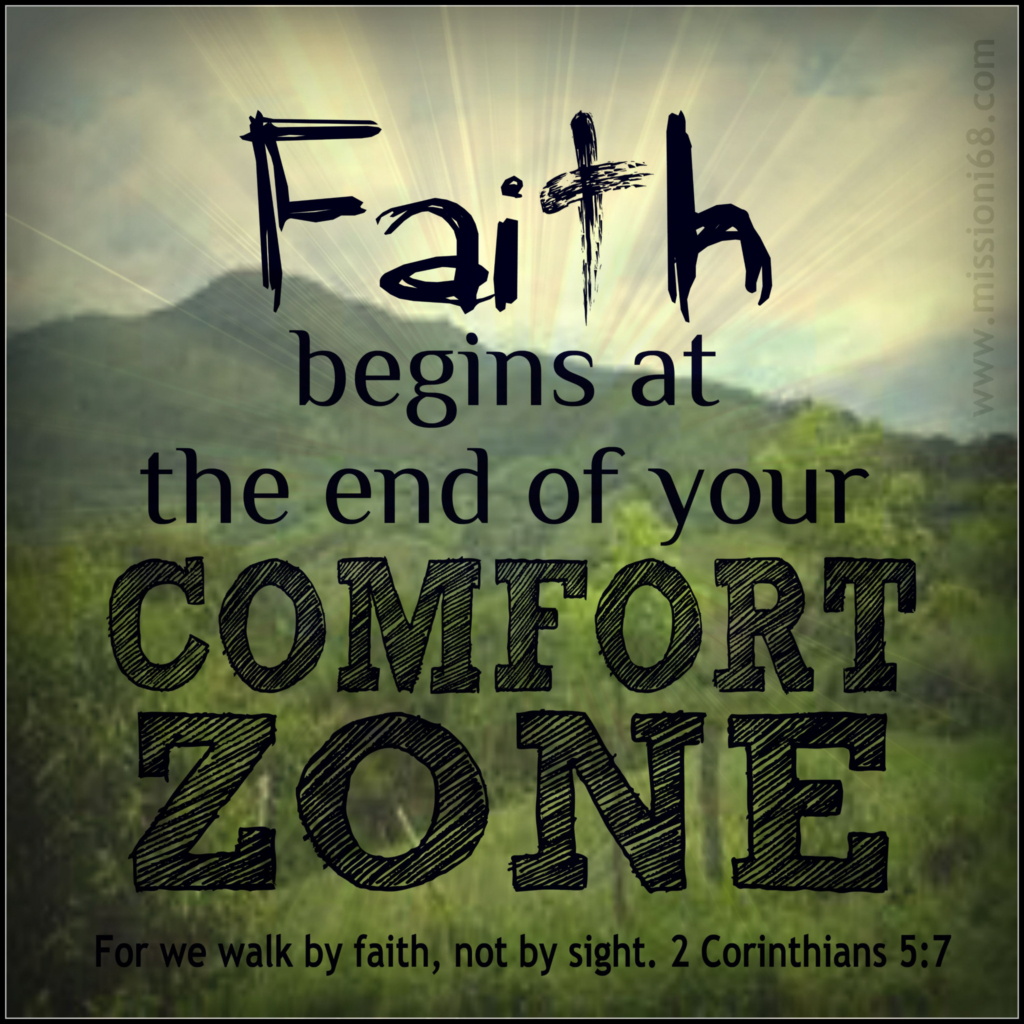
God works in mighty ways when people get shook out of their comfort zones. Entire nations can get shook or individuals may feel like something has shaken their world. An outside circumstance can move us out of our usual comfort zone and into a place of discomfort. When this happens, God uses our discomfort for good, by getting our attention.
Discomfort once saved me from a premature death, according to an incident my mother told me about.
When I was two years old, I was playing with a balloon in the next room, and like any two year old would do, I put the balloon to my mouth and it burst. A large part of the balloon flew to the back of my throat. Since I couldn’t make a sound, my mother had no idea that I was choking.
Something made me walk to her in the next room, where she looked at me, quickly opened my mouth and pulled out the balloon lodged in the back of my throat. At two years old, I could have easily stayed where I was and choked to death. Maybe my guardian angel led me to go to her, but most likely it was a sudden loss of comfort with a struggle to breathe, that led me to go and get help. My discomfort saved my life that day.
Entire nations have been shook to extreme discomfort many times in recent history. Every nation in the world eventually lost their comfort zone after the crash of the Great Depression in 1929. More shaking came in World War I and II, the Holocaust, 911, and the Covid pandemic in 2020.
No one can deny that God gets our attention during a crisis of comfort, whether it happens to nations or to individuals. I believe God overcomes evil with some type of good in all those earth shaking events. God said through Haggai, that even in those times of shaking, He is with us, saying “My spirit remains in your midst; do not fear!”
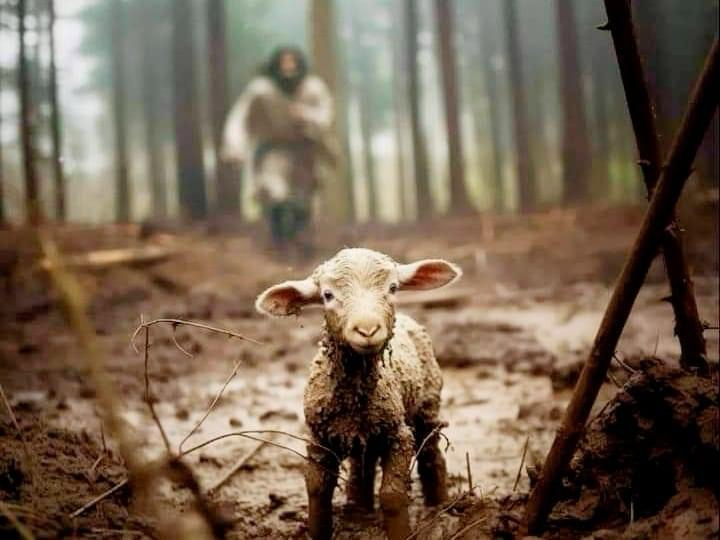
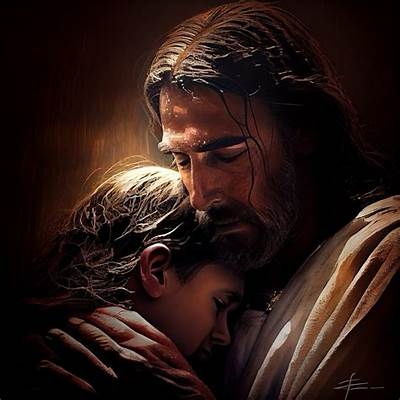
The kind of good that God brings out of a great shaking and loss of comfort is a total reliance on Him. There are so many conversion stories that started by someone’s world being shook as they lost their comfort zone. Our senses tell us that the world is full of chaos and trouble, but our heart must listen to Jesus, telling us there will always be trouble in the world. He also said that His peace is not the kind of peace that the world gives. The shaking and discomfort we feel, prompts us to go to Jesus, just as a choking two year old goes to their mother.
There is a current immigration crisis worldwide and refugees tell stories of leaving their native land due to food insecurity, poverty, wars, or oppressive regimes. Thousands have left their homes and countries to find refuge and many have encountered kindness from charitable groups in the countries where they found refuge.
Refugees from the middle east nations are now finding refuge in Armenia, Turkey and Greece, being helped by Christian based charitable groups. There are some incredible stories of refugees who received a revelation of Jesus, before they ever left their country, through a dream or a vision. One man had a dream that Jesus was standing before him, surrounded by a bright light, saying, “I am the Way, the Truth and the Life, follow Me.” Those words are straight from the gospel and yet the man never read a Bible or heard those words in his life.
When Christians do their part to pray and support those groups, amazing things happen. It is the providence of God, to reveal His lovingkindness and mercy to all people, especially those being shook by a global immigration crisis. God uses all the shaking and discomfort in the world to lead people back to their faith or to invite them to new faith in Jesus. It begins when the comfort zone is lost, and the church goes out to help the least among us. The love and peace of God is revealed through His people.
God is quietly changing many hearts today, even if we don’t hear about it in the mainstream news. He is renewing the faith of all people and building up His church everywhere in the world. No tyrants, political ideology, power of government or any force of evil can prevail against God’s church, established by His son, Jesus Christ.
It makes me wonder, whenever our comfort zone is shook up or removed, whether God is drawing us into a deeper relationship with Him. The next time we experience any situation of discomfort, and our world is being shook, maybe God is trying to get our attention. After all, He isn’t finished with any of us yet, and He who began a good work in us will continue it, until completion. (Philippians 1:6)
Lord, help us have a deep, mature faith, so that when our comfort zone is shook, we will know in our hearts that you are continuing the good work you began in us. Amen